For them to
know you.

We find what your family already has, record the stories that explain it, and make something that survives you.

Tell us who you’re thinking of
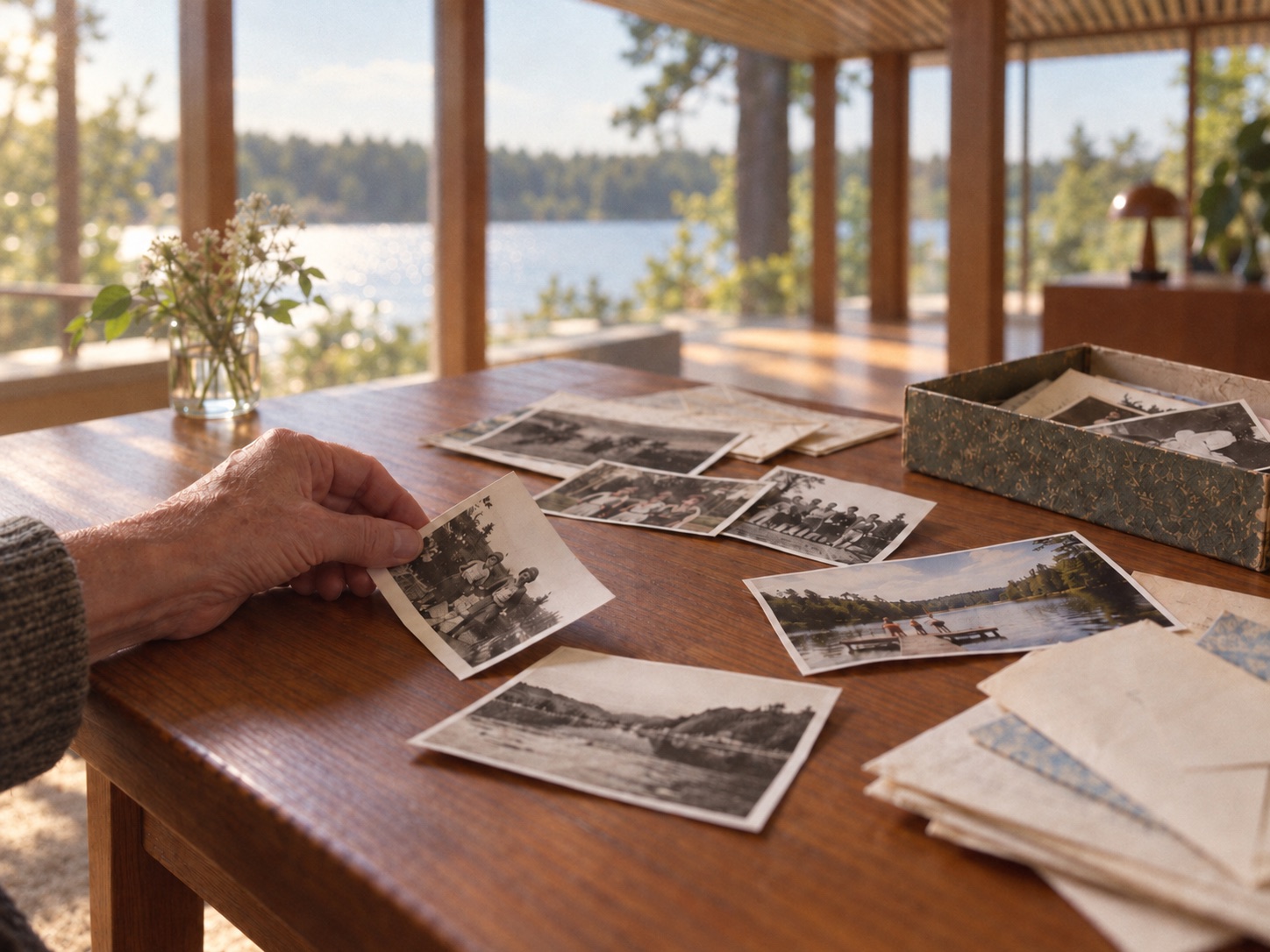
An older hand holding a family photograph at a teak table in a light-filled lakeside house.

What feels ordinary today may be irreplaceable tomorrow.

Most of what a family would want to know about itself is not written down anywhere. It is in the room with someone who assumes nobody would be interested.

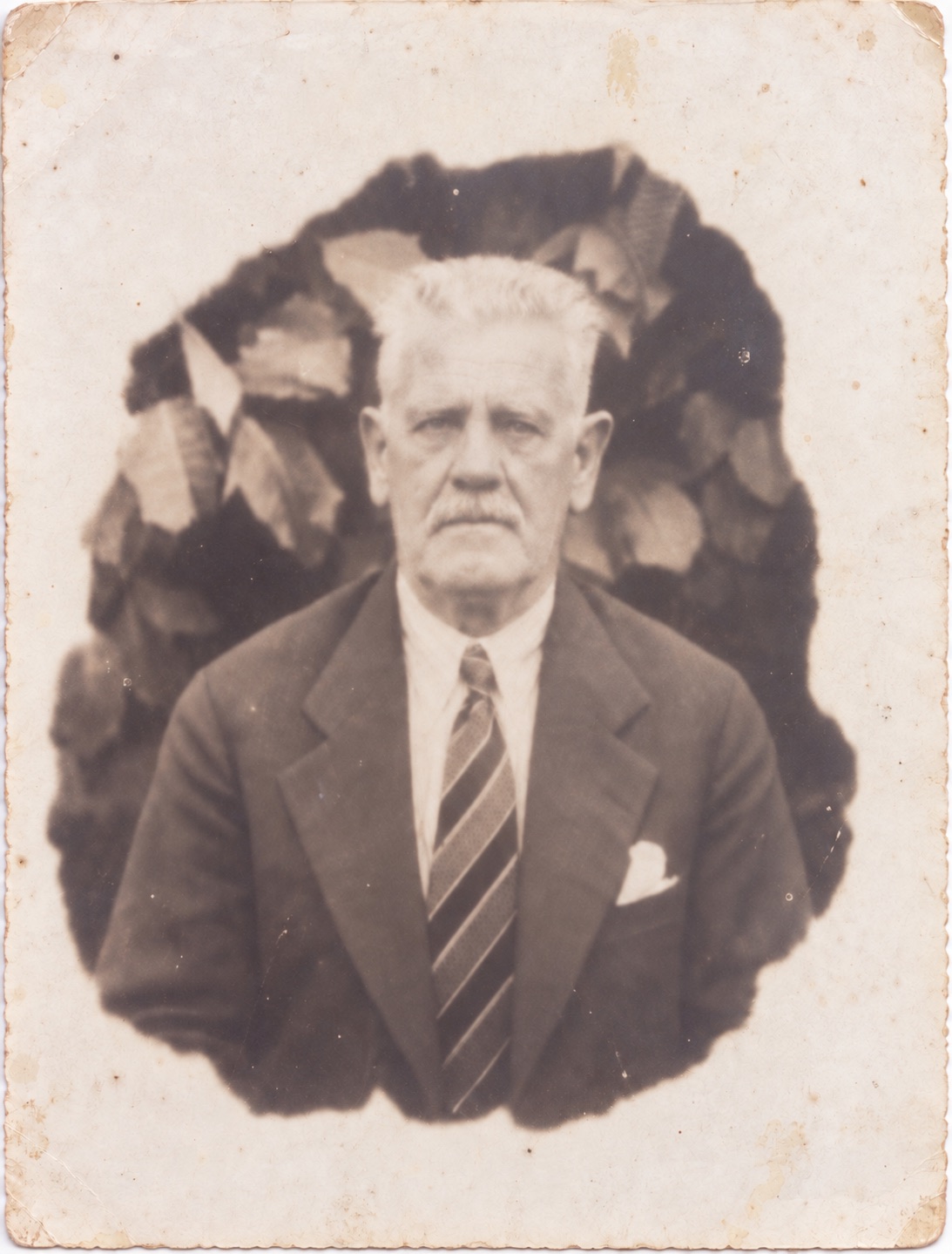
Interpretation of an aged family portrait: an older man in a suit, with facial features altered and worn paper and white vignette preserved.

Interpretation from two family photographs, with facial features altered for privacy. The original photographs are undated; the aged paper and white vignette are retained.

Who
Antonio Candido Tavares
Born
around 1850, Trás-os-Montes, Portugal
Lived
region of Ituiutaba and Capinópolis, Brazil
When
original photographs undated
Account
Family records that he fled Portugal after being called up for colonial military service.

Where this comes from

I was almost forty the first time I saw his face.

My grandmother’s grandfather. Born around 1850 in Trás-os-Montes, in the north of Portugal. Died in the interior of Brazil, between Ituiutaba and Capinópolis. He fled Portugal after being called up for colonial military service.

That is nearly all of it. A few photographs, a name I learned late, a story told in one sentence. His children could have filled a book. It did not occur to them. Everyone around them had left somewhere too, and a life you are inside does not look like something to write down.

We have more pictures than any generation before us and we are making the same mistake. A picture on its own says nothing. Someone has to say who is in it, and why it mattered, while there is still someone who can.

After Keep does that work for families. I started it because nobody did it for mine.

What we make

The form follows the family.

Some families need a film. Some need a box of photographs finally put in order, with names on the back. Most commissions combine several of these, decided after we have listened.

Films

Conversations and home footage, edited into something the family will actually watch.

Books and photographic editions

Printed, sewn, made to be handled. Captions that say who and when.

Audio works

For people who would rather not have a camera in the room.

Organised archives

Everything identified, catalogued, and findable again in forty years.

Long-term care

An agreed plan for where it all lives afterwards, and who can open it.

What this actually produces

You are never handed a questionnaire.

Someone comes, listens, and asks. Short sessions, where you are comfortable, in the language you think in. You can stop, skip a subject, or come back to it another day.

01

Listen

A first conversation. Nothing to prepare.

02

Gather and ask

What exists, and the people who can explain it.

03

Shape

Film, book, audio, archive, in the combination agreed.

04

Review

You see everything, and things get cut.

05

Look after

Where it lives, and who can open it.

What it’s like to be recorded

Care and confidentiality

Private, unless you decide otherwise.

Nothing is shown to anyone outside the family without a separate, written yes. Everything we make comes with a plan for where it lives, in what formats, and who can open it.

What happens to it afterwards

In the name of memory.
In the name of love.